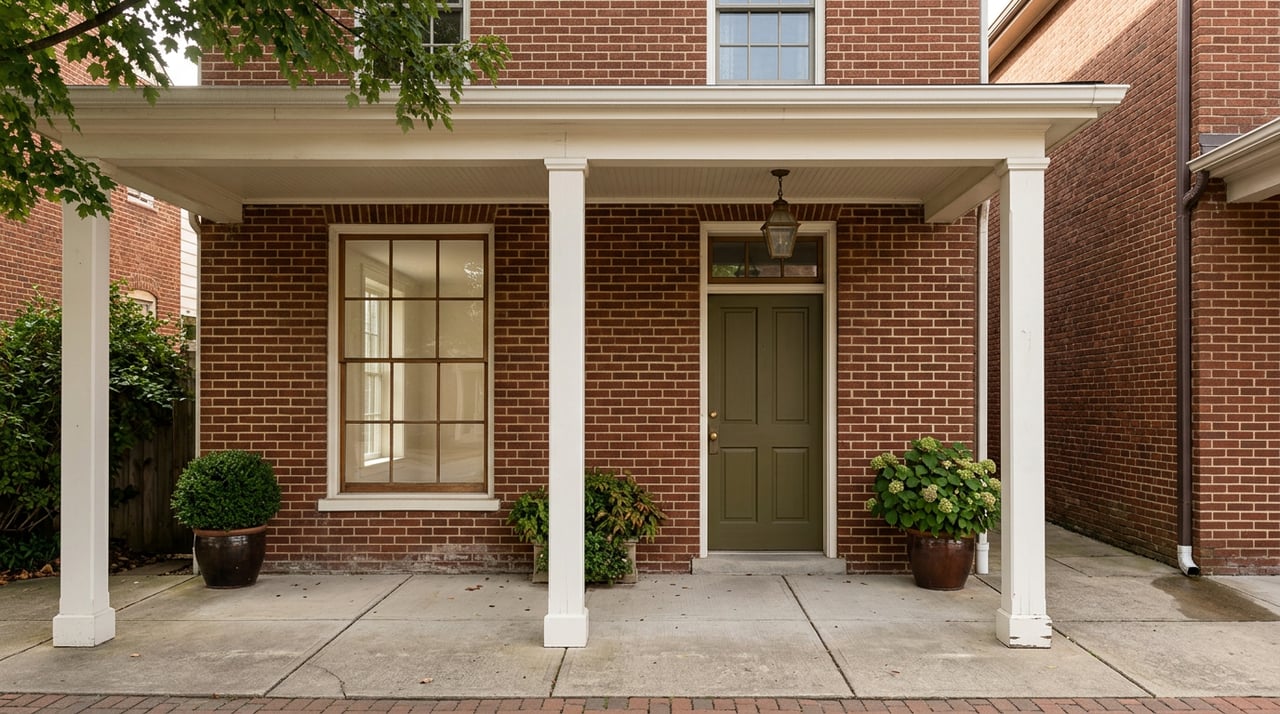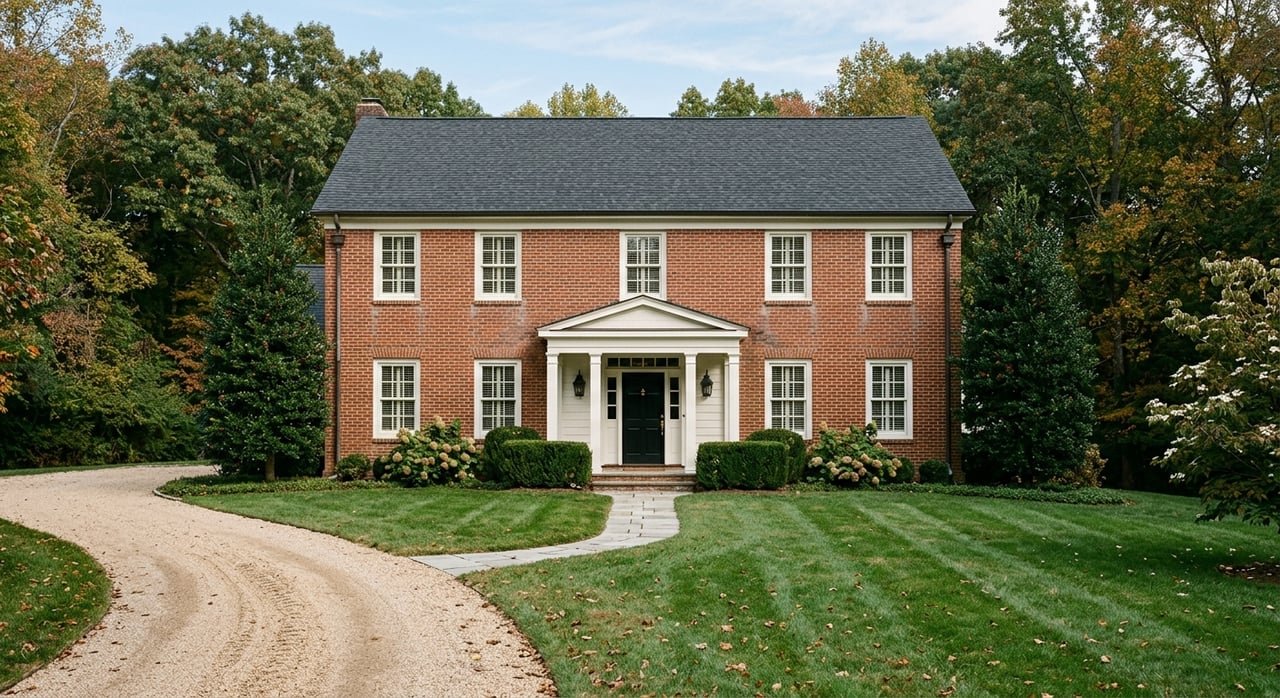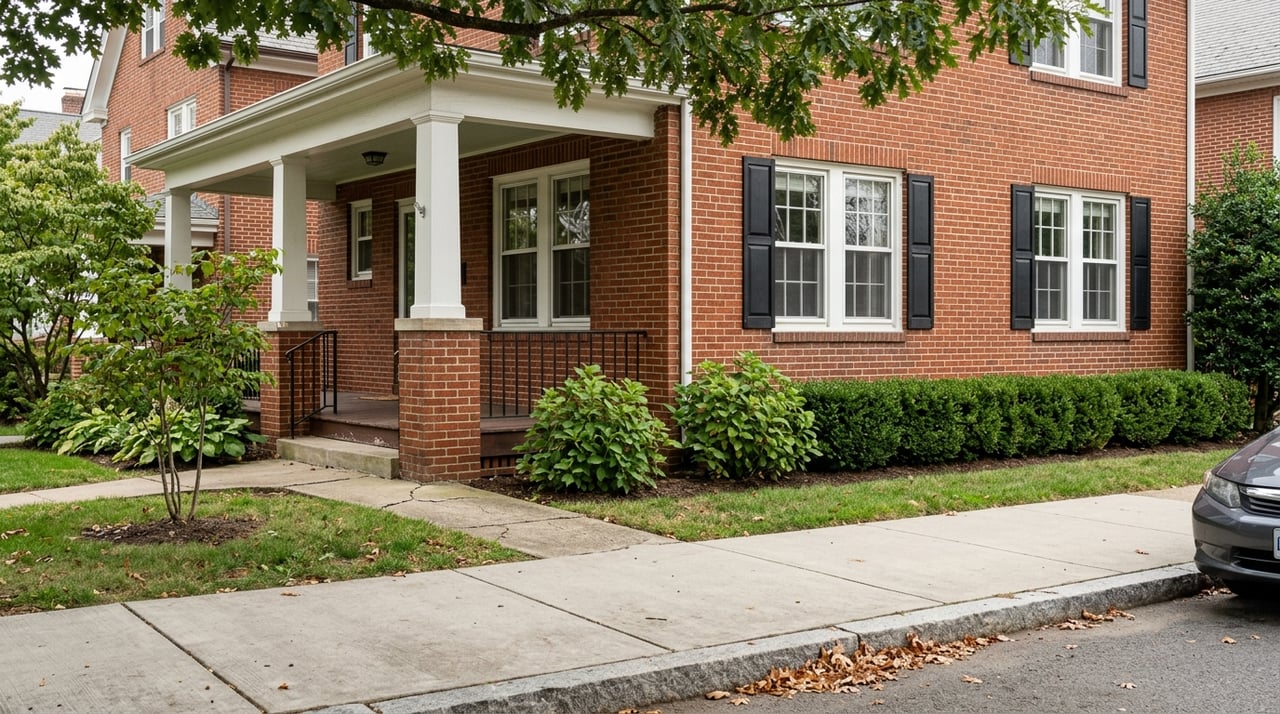
Thinking about trading a yard for walkable city blocks, or the other way around? If you are weighing a Louisville condo against a southside single-family home in Shepherdsville or Elizabethtown, you are not alone. Each option delivers a distinct mix of cost, commute, and convenience. In this guide, you will see clear price context, monthly cost factors beyond the mortgage, commute realities, and the key financing checks that matter for condos. Let’s dive in.
Who this guide is for
You want a practical, local comparison to help choose between a centrally located Louisville condo and a southside suburban single-family home in Shepherdsville or Elizabethtown. You care about total monthly costs, drive times, and long-term resale. You also want to understand HOA fees, maintenance, and condo financing rules before you shop.
Price snapshot (Feb 2026)
- Louisville citywide median sale price sits around the mid-$260Ks (Feb 2026 snapshot).
- Louisville condo inventory shows a median listing price near $218K (Feb 2026).
- Shepherdsville’s median single-family sale price is about $261.5K (Feb 2026).
- Elizabethtown’s median single-family sale price is about $279.9K (Feb 2026).
These are city-level snapshots and vary by neighborhood and property condition. Louisville neighborhoods like Old Louisville, the Highlands, NuLu, and Butchertown can differ meaningfully from the city median.
Lifestyle tradeoffs that matter
Louisville condo advantages
- Shorter trips to downtown workplaces, dining, and cultural institutions. Pockets near Bardstown Road and central districts tend to be more walkable.
- Less exterior upkeep. Many buildings handle exterior maintenance and common areas.
- Potentially lower entry price than some single-family options in similar locations.
Louisville condo tradeoffs
- Typically smaller interior square footage and limited private outdoor space.
- Monthly HOA dues and possible special assessments. Confirm what utilities and services are included.
- Parking and guest parking can be limited depending on the building.
Southside suburb advantages
- More house for the money, often with a yard and garage.
- Many neighborhoods have no HOA or minimal dues.
- Quieter, residential setting with space for hobbies or a home office.
Southside suburb tradeoffs
- Longer, car-based commutes. I‑65 can slow during peak times.
- Daily errands are usually drive-first rather than walkable.
- Fewer immediate cultural amenities than central Louisville.
Monthly costs beyond your mortgage
Comparing a condo to a house means looking past the purchase price. Budget for property taxes, HOA dues or maintenance, insurance, and utilities. HOA fees often include exterior maintenance, landscaping, and a master insurance policy for the building. Well-run associations maintain reserves and a clear budget. You can review what a healthy HOA looks like in association guidance that highlights reserves, master insurance, and owner-occupancy checks. See the Community Associations Institute’s overview on what HOA fees cover and why reserves matter for stability and special assessments: HOA fees and reserves explained.
Below is an illustrative, non-mortgage comparison using current county effective property tax rates and a representative condo HOA example. Actual figures vary by address, building, and what the HOA includes.
| Line item | Louisville condo example | Southside single-family (Shepherdsville) | Southside single-family (Elizabethtown) |
|---|---|---|---|
| Home value (illustrative) | $218,000 | $275,000 | $275,000 |
| Property tax (effective rate) | Jefferson Co. ~0.86% | Bullitt Co. ~0.76% | Hardin Co. ~0.62% |
| Est. annual property tax | |||
| HOA dues | Example ~$276/mo (often covers water/trash, exterior, common-area insurance; varies by building) | Often none for single-family; check each subdivision | Often none for single-family; check each subdivision |
| Maintenance | Interior items only; special assessments possible if reserves are low | Use 1 to 4 percent of value per year; 1.5 percent mid-point ≈ $4,125/yr (~$344/mo) | Same as left; age/lot size affect costs |
| Insurance | HO-6 condo policy; master policy covers building/common areas | HO-3 or HO-5 homeowners policy | HO-3 or HO-5 homeowners policy |
Notes:
- Effective county rates are from SmartAsset. Use your address and local PVA for exact bills: Kentucky property tax calculator.
- Maintenance rule of thumb for single-family homes is 1 to 4 percent of home value per year. Learn more about annual upkeep budgets here: Home maintenance cost guide.
- HOA coverage and reserves vary by building. Review budgets, reserves, and what utilities are included before you buy.
Insurance basics: condo vs house
- Condos: You usually carry an HO-6 policy for interior finishes, personal property, and liability. The association’s master policy covers the exterior and common elements. The master policy type influences how much interior coverage you need and whether to add loss-assessment coverage. Learn the essentials here: Guide to buying condo insurance (HO-6).
- Single-family homes: You carry a standard homeowners policy (HO-3 or HO-5) that covers the structure and contents. Premiums vary by location, construction, and deductible.
Condo financing and HOA health checks
Condos add a layer of underwriting beyond your personal mortgage preapproval. Before you commit to a unit, confirm the project’s financing eligibility and financial health.
What to verify early:
- Project approval and loan options. FHA, VA, and the GSEs require project-level reviews or approvals. If the building is not eligible, you may need a different loan product or a larger down payment. Start here: FHA condo project approval overview and Fannie Mae condo project review.
- Association documents. Request the current budget, most recent reserve study, the master insurance certificate and deductible, CC&Rs/bylaws, any rental or pet rules, meeting minutes for the last 12 to 24 months, and disclosure of pending litigation. Strong reserves and clear policies reduce the odds of special assessments. Guidance on reserves and budgeting: What HOA fees cover and why reserves matter.
- Red flags to watch: low owner-occupancy, high delinquency on dues, large near-term projects with limited reserves, developer control that has not turned over, or active litigation. These can affect both financing and resale.
Commute and transit realities
If you work in or near downtown Louisville, drive time often becomes the swing factor.
- Shepherdsville to downtown Louisville: about 27 minutes in typical off-peak conditions. See the point-to-point estimate: Shepherdsville to Louisville drive time.
- Elizabethtown to downtown Louisville: about 46 minutes in typical off-peak conditions. Check it here: Elizabethtown to Louisville drive time.
Public transit from Bullitt and Hardin counties into central Louisville is limited and tends to be peak-focused. A recent regional study emphasized microtransit and targeted express service rather than frequent, all-day fixed-route options for these corridors. Review the study summary: TARC micro-mobility report. For your routine, use a live map during your actual commute window to test traffic.
Resale and long-term flexibility
In many markets, single-family homes tend to be the most liquid at common family-buying price points. Condos can resell quickly when located in high-demand, walkable areas, but buildings with funding gaps or high delinquency can see slower sales and more price volatility. If you plan to rent a condo in the future, confirm rental rules in the CC&Rs and be aware of lender rules for investor financing.
A simple decision framework
Use these prompts to get to a confident yes:
- Commute and routine
- How many days per week will you drive to downtown Louisville? What is the average door-to-door time from each option during your normal commute window?
- Space and lifestyle
- Do you need a dedicated home office, garage, or yard? How often do you host guests who need easy parking?
- Monthly budget tolerance
- For a condo, add PITI plus HOA dues and a small interior maintenance buffer. For a house, add PITI plus a 1 to 4 percent annual maintenance budget, yard care, and full-home insurance.
- Financing guardrails
- If you are considering an FHA or low-down-payment loan, is the condo project eligible? Confirm with your lender early and request the building’s documents.
- Risk comfort
- Would a potential HOA special assessment feel manageable? Or do you prefer direct control over exterior maintenance on a single-family home?
- Exit strategy
- How long do you plan to hold the property? If renting is a possibility, confirm rental policies and lender rules now, not after closing.
When you are ready to compare specific addresses, we can help you stack up the all-in costs, request HOA documents, and pressure-test commute times against your real schedule.
Ready to talk through your options and see homes that fit your plan? Reach out to Olive + Oak Realty for a friendly, no-pressure strategy session.
FAQs
Monthly costs: Will a Louisville condo cost less each month than a southside house?
- Sometimes. Condos can offer lower purchase prices and shift exterior costs to the HOA, but HOA dues and possible special assessments can offset savings. Compare PITI plus HOA for the condo to PITI plus a 1 to 4 percent annual maintenance budget for the house, and include property taxes by county.
Financing: Can you use FHA on any Louisville condo?
- Not automatically. FHA and the GSEs require project-level eligibility or a specific review. Verify the building’s status with your lender early. Learn more here: FHA condo project approval overview and Fannie Mae condo project review.
Taxes: How do Jefferson, Bullitt, and Hardin County property taxes compare?
- Effective rates are roughly 0.86 percent in Jefferson County, 0.76 percent in Bullitt County, and 0.62 percent in Hardin County. Estimate your annual bill with your home value and this calculator: Kentucky property tax calculator.
Commute: How long is the drive from Shepherdsville or Elizabethtown to downtown Louisville?
- Typical off-peak estimates are about 27 minutes from Shepherdsville and about 46 minutes from Elizabethtown. Check your exact route and timing: Shepherdsville to Louisville and Elizabethtown to Louisville.
Insurance: What policy type do you need for a condo versus a house?
- Condos use an HO-6 policy that covers interior finishes, personal property, and liability, paired with the association’s master policy for the building. Single-family homes use HO-3 or HO-5 policies that cover the full structure and contents. Learn the basics: Guide to buying condo insurance (HO-6).