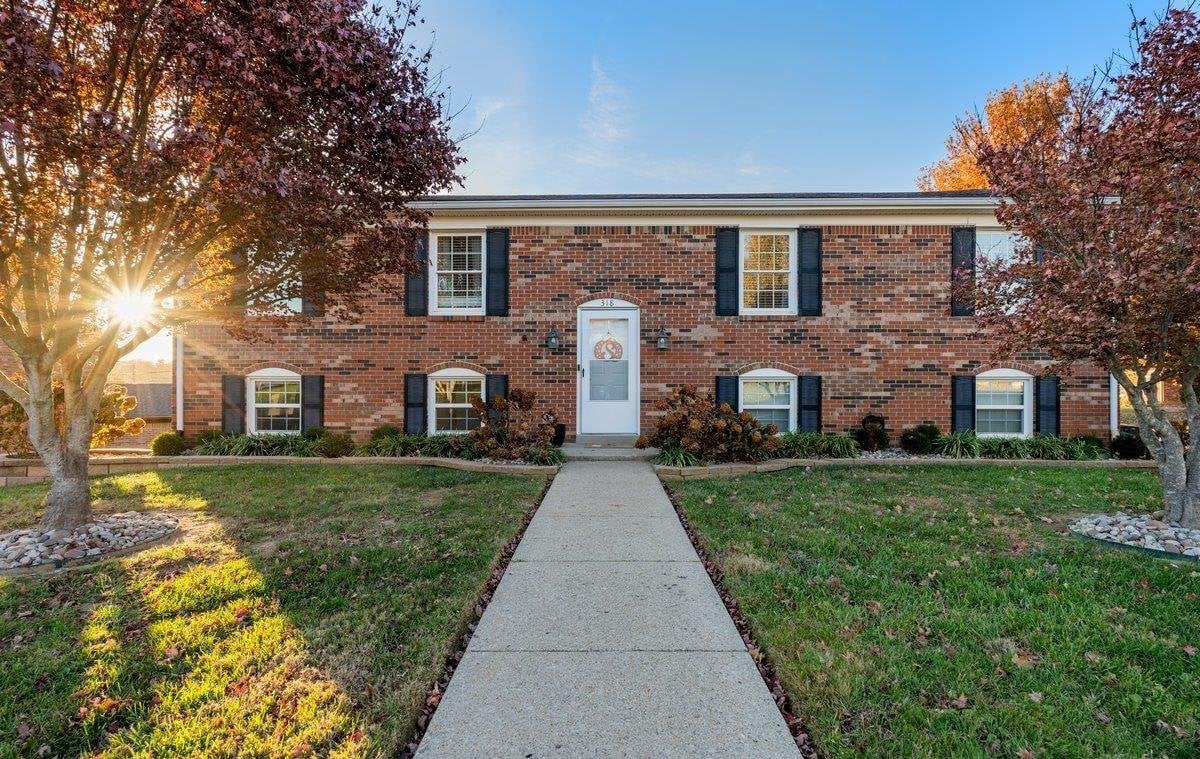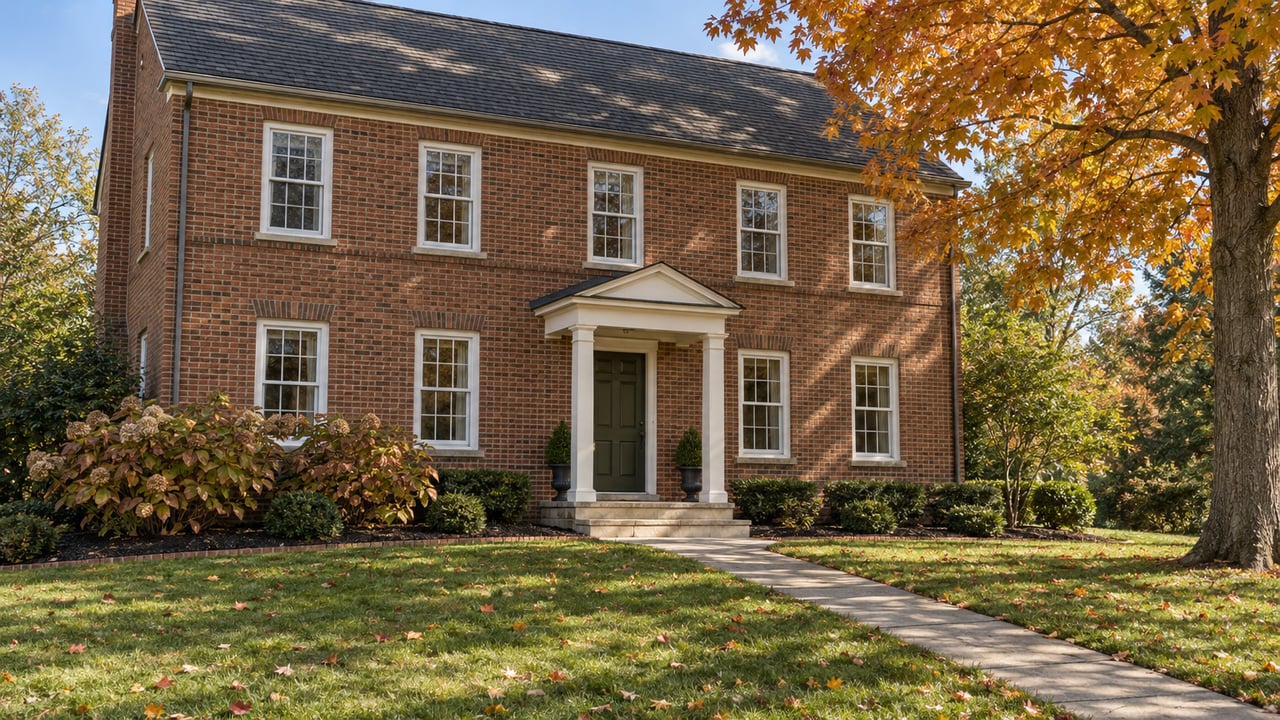
If you are using a VA loan in Brandenburg or commuting to Fort Knox, you will hear two terms a lot: VA appraisal and home inspection. They sound similar, but they serve different purposes and affect your purchase in different ways. Knowing the difference can save you stress, time, and money.
In this guide, you will learn what each process covers, who orders and pays for it, typical timelines and costs in Meade County, and how to prepare. You will also see local tips for wells, septic systems, flood zones, and military moves. Let’s dive in.
VA appraisal vs. inspection at a glance
- Purpose
- VA appraisal: Confirms value for your loan and checks Minimum Property Requirements for safety, soundness, and sanitation. See the VA overview of home loans for context on how the appraisal fits the process. You can review the VA’s program details on the VA Home Loans page.
- Home inspection: Evaluates the home’s condition for you. It identifies defects, safety concerns, and maintenance needs. The CFPB explains the difference clearly in its guide on appraisals vs. home inspections.
- Who orders and pays
- VA appraisal: Your VA-approved lender orders it. You typically pay the appraisal fee at or before closing as part of loan costs.
- Home inspection: You choose the inspector and pay the fee directly. The timing and any add-on tests are up to you.
- Outcome
- VA appraisal: You receive a value opinion that supports the loan or triggers next steps if the value is low. The appraiser may list repairs required to meet VA standards that must be completed before closing or handled under limited escrow rules.
- Home inspection: You receive a detailed report for negotiation, planning repairs, or deciding whether to proceed under your inspection contingency.
What the VA appraisal checks
Value and VA property standards
A VA appraiser estimates market value using comparable sales and evaluates the home against the VA’s Minimum Property Requirements. These are health, safety, and soundness checks designed for basic livability, not a full condition review. The VA Home Loans page outlines how property standards fit into VA financing.
Common items include:
- Reliable heat, running potable water, and functional sewage disposal.
- A roof without major defects or active leaks.
- No unsafe electrical conditions or apparent structural failure.
- Safe access to the property and residential use compliance.
- No obvious environmental or safety hazards, including flaking lead-based paint on accessible surfaces in older homes.
If the appraiser flags issues, the lender will require completion before endorsement or may allow a tightly controlled repair escrow when permitted.
What the VA appraisal does not cover
The VA appraisal is a visual, non-invasive review. The appraiser does not open walls or exhaustively test every system. It does not replace specialized tests like radon, septic, sewer scopes, or full pest inspections unless visible concerns prompt a requirement. This is why a separate home inspection is so important.
What a home inspection covers
Systems, structure, and safety
A full inspection looks at visible and accessible components, including roof, attic, insulation, structure, exterior, windows and doors, plumbing, electrical, HVAC, fireplaces, crawlspaces, basements, grading, and visible moisture concerns. Inspector organizations outline these standards in detail. You can review ASHI’s Standards of Practice and InterNACHI’s Standards of Practice to understand scope and limitations.
You receive a written report with photos and recommendations. This is your main tool for repair requests, credits, or deciding whether to move forward.
Helpful add-ons in Meade County
Given Brandenburg’s mix of small-town neighborhoods and rural properties, consider add-on services when appropriate:
- Radon testing, especially for homes with basements.
- Termite and wood-destroying organism inspections.
- Well water quality testing and septic system evaluations for properties outside municipal service.
- Sewer scope for older lines or signs of blockage.
Your inspector can help you decide which tests fit the home’s age, location, and condition.
Timelines and costs in Brandenburg
VA appraisal timing and cost
Your lender typically orders the VA appraisal after contract acceptance and loan application. In our region, reports often return within 7 to 15 business days, but heavy demand can push timing to 2 to 3 weeks or a little longer. If the appraiser requires repairs, a reinspection adds time. Fees for single-family homes commonly fall in the 400 to 800 dollar range, with rural or complex properties sometimes higher.
Home inspection timing and cost
Most buyers schedule inspections within a few days of contract acceptance. Expect 2 to 4 hours on site for an average single-family home and a report within 24 to 48 hours. Typical inspection fees run about 300 to 600 dollars, with add-on tests like radon, septic, sewer scope, or WDO inspections priced separately.
Who pays and what to budget
Buyers typically pay both the appraisal and inspection costs, though you can negotiate seller credits. If repairs are required, plan for possible reinspection fees.
Local factors near Fort Knox
Ohio River, floodplains, and insurance
Brandenburg sits along the Ohio River, so flood zones can affect specific parcels. Check the FEMA Flood Map Service Center to confirm a property’s status and discuss flood insurance with your lender and insurance agent. You can search addresses on the FEMA Flood Map Service Center.
Wells and septic systems
Rural Meade County homes often rely on private wells and septic systems. The VA appraisal will look for basic adequacy, but it does not replace specialized testing. For an overview of what to consider, see the EPA’s guidance on private wells and septic systems. Your lender may require evidence of acceptable water quality and septic function.
Termites and wood-destroying insects
Kentucky has wood-destroying insect activity. Many lenders and buyers request a WDO inspection, especially for older homes or when there is visible wood damage. If the appraiser observes signs of infestation, treatment and repair may be required before closing.
Historic homes and lead paint
If a home was built before 1978, federal lead-based paint rules apply, including required disclosures. The VA appraiser may call out peeling or chipping paint as a safety concern. You can learn more from the EPA’s page on lead-based paint disclosures.
Military relocation resources
If you are PCSing to Fort Knox, the installation’s Housing Services Office can help with local housing information and referrals. Start with the Fort Knox Housing Services Office for current guidance.
How to prepare and avoid delays
Prep checklist for the VA appraisal
- Ensure all utilities are on for testing.
- Provide clear access to the attic, crawlspace, basement, mechanical rooms, and garage.
- Gather documentation for recent repairs, permits, septic servicing, or well testing.
- Address obvious hazards such as missing handrails, broken glass, or exposed wiring.
- Clear exterior areas so grading and drainage are visible.
- If in a flood zone or with additions, have permits and elevation certificates ready.
Prep checklist for your inspection
- Attend if possible so you can see findings in real time.
- Ask the seller for maintenance records and recent utility bills.
- Discuss common local issues with your inspector, like drainage, radon, or termites.
- Order add-on tests that match the home’s age and location, such as radon, septic, well water tests, sewer scope, or a WDO report.
Common scenarios and next steps
- Appraisal value comes in low. You can renegotiate the price, bring additional cash, request a seller price reduction, or cancel if your contract allows. Your lender cannot finalize the VA loan until this is resolved.
- VA-required repairs are listed. Work must be completed and verified, or handled through a lender-approved repair escrow when allowed. After repairs, the appraiser or another VA-approved appraiser reinspects.
- Inspection finds major issues. Use your contingency to request repairs or credits, or consider walking away if the scope is more than you want to take on. The inspection protects you from hidden defects.
- Both reports show different issues. Treat them as complementary. Use the inspection for negotiations and future maintenance planning, and use the appraisal to satisfy loan value and safety standards.
The bottom line for Brandenburg buyers
The VA appraisal protects your loan and checks for basic safety. The home inspection protects you by revealing the home’s true condition. In Meade County, add local due diligence for flood risk, wells and septic, and WDO activity so you can move with confidence.
If you want local guidance that fits a PCS schedule and our market’s mix of rural and in-town properties, our team is here to help you plan each step, from offer to keys. Reach out to Olive + Oak Realty to talk through your timeline and next steps.
FAQs
Do I need a home inspection for a VA loan in Kentucky?
- The VA does not require a buyer-ordered inspection, but it strongly recommends one; an appraisal is not a substitute for an inspection, per the CFPB’s guidance on differences between the two.
Who chooses the appraiser and the inspector near Fort Knox?
- Your VA-approved lender assigns a VA roster appraiser, while you select and hire your own home inspector and any specialists.
Can VA-required repairs be done after closing?
- Sometimes, but only under limited lender and VA-approved escrow holdback rules for minor items; most repairs must be completed and verified before closing.
Are well and septic tests required for rural Meade County homes?
- The VA appraisal checks basic adequacy, but lenders often require evidence of acceptable water quality and septic function; consider specialized testing for peace of mind.
How do I check if a Brandenburg property is in a flood zone?
- Search the address on the FEMA Flood Map Service Center and talk with your lender and insurance agent about any flood insurance requirements.